Have you ever sat there watching the wheel slow down and wondered why the same numbers keep catching your eye?
A lot of experienced punters reckon they have already worked out every angle of the table, yet the zero pocket roulette online AUD setup still catches them out when the pace picks up. The wheel removes that familiar green pocket, which shifts the maths in a way that feels subtle until you have sat through a few sessions. Players who treat it like a normal wheel often miss how the payout structure and the absence of the house edge on that one slot change the way they should think about each bet.
Newcastle locals who log on after a shift at the port or a long weekend down at Nobbys know the feeling of wanting a clean session without the noise of a crowded floor. The appeal is simple enough: a tighter grid, fewer distractions, and a game that rewards patience more than chasing a lucky streak. You can play it from a phone on the train past Hamilton or from the couch before the arvo news comes on, but the discipline matters more than the device.
Read the wheel before you read the room
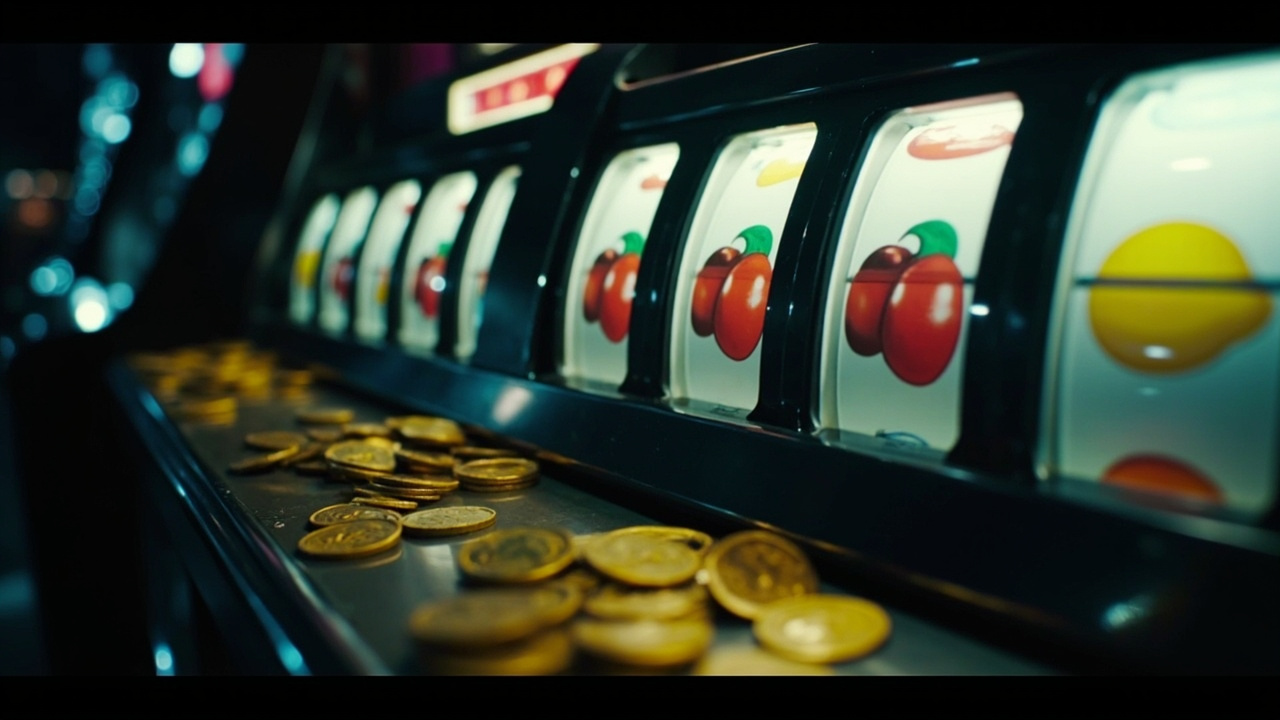
The first mistake experienced players make is assuming the layout is just a cosmetic tweak. A zero pocket wheel strips out the slot that normally gives the house its built-in cushion, which means the payouts and the bet selection need a fresh look rather than a copy-paste of your usual routine. The practical move is to sit with the table for five minutes before placing any money, watching how the dealer or the software handles the sequence and noting whether the interface flags the missing pocket in any visible way.
GTO play aims to be unexploitable, and that idea matters here because a wheel without the zero changes the exploitation angles you would normally watch for. You are not trying to outsmart a dealer, but you are trying to avoid feeding a pattern that the game can use against you when the pace quickens. The checkable bit is simple: pick one bet type for the session, stick to it for twenty spins, and note whether the results drift in a way that suggests you are chasing rather than playing a plan.
Some casino chips have become collectors’ items worth far more than their face value, which is a useful reminder that the physical look of a table can nudge your headspace even when you are playing online. The lesson is not to start collecting virtual chips, but to notice when the presentation starts doing the work for you and pulling your attention away from the maths. A player who can separate the graphics from the grid is already a step ahead before the first bet lands.
Treat the missing pocket as a real change
A wheel without that one green slot is not a gimmick you can ignore and still play the same way. The payouts on certain outside bets and the way the numbers sit on the layout both shift when the zero disappears, so the sensible move is to map the table you are actually playing on rather than relying on memory from a standard wheel. If the interface shows the numbers in a different order or highlights the empty pocket zone, take a moment to confirm how the pay table lines up before you commit any funds.
The also-ran describes a horse that finishes out of the placings, and that phrase fits a bet that keeps missing by a hair without ever turning into a coherent plan. A player who keeps backing the same near-miss numbers without checking the layout is basically backing also-rans and calling it intuition. The fix is to write down the last twenty outcomes, mark the ones that actually paid, and decide whether your chosen spot is a pattern or just noise.
A practical condition here is to set a hard stop for the session before you start, say a time limit of forty minutes or a loss limit you are willing to accept without reopening the tab. That kind of boundary matters more on a wheel where the maths feels friendlier, because the absence of the zero can make a losing run look like it is about to turn. The discipline is not glamorous, but it keeps a relaxed arvo session from sliding into a stubborn one.
Protecting your bankroll means recognising when the pattern breaks and stepping away. You can read more about responsible gambling habits at the local news outlet. Setting that limit early keeps the session fun rather than stressful.
Build a session plan that actually holds up
A solid plan starts with a number you can afford to lose and a number that tells you when you are done for the day, not with a vague feeling that you will know when to stop. Write both figures down before you open the game, and treat them like a media rights deal where the terms are set before the campaign goes live. The point is to remove the moment-by-moment guesswork and let the plan do the judging when the session gets noisy.
The what happens next sequence is straightforward once you have the numbers in place. You open the table, check the pay structure, place your first bet according to the one bet type you chose, and then watch the results without adjusting the plan after every spin. If you hit your winning target, you close out; if you hit your loss limit, you close out; if the clock runs out, you close out. The sequence is boring by design, because boring plans survive longer than clever ones.
A good trade-off to understand is that a tighter plan usually means fewer big swings, which is exactly what a confident player wants when the wheel feels different. You give up the chance of a sudden runaway win in exchange for a session you can actually read at the end. That is the kind of exchange a sponsorship executive recognises straight away, because the value is in the predictability, not the highlight reel.
Keep the language of the table in your head
The terminology on a zero pocket wheel can sound familiar until you realise the missing slot changes what certain phrases actually mean in practice. A straight-up bet, a split, a corner, and the outside bets all still exist, but the way they relate to the layout and the payouts needs a quick mental check each time you switch games. The checkable step is to read the pay table on the specific game you are playing, not the one you remember from a different site or a different wheel style. Mediaweek
You can find a fair bit of plain-English coverage of how these games are presented in the Australian media, including pieces that run on news.com.au, and that kind of coverage is useful for seeing how the wider conversation frames the product. The useful bit is not the hype, but the way a clear explanation of the table can help you spot when a game is dressed up in a way that does not change the underlying maths.
For players who want a more structured look at the platform itself, the own site at https://trans121.com/au lays out the game options in a way that makes the table details easier to check before you play. The practical value is in being able to confirm the wheel style, the bet types, and the layout before you commit, rather than guessing from a thumbnail.
Spot the moments when confidence turns into noise
Confidence is a good thing until it starts rewriting the rules in real time, and that is the moment a player moves from a plan to a hunch. The tell is usually small: you start increasing the stake after a near miss, or you drift from your chosen bet type because a number feels due. The condition to watch for is any change you make after the session has started that was not in the original plan, because that is where the maths gets messy.
A useful comparison is the way a talent-led activation falls apart when the brief gets rewritten halfway through the event. The talent is still there, the crowd is still there, but the plan has drifted and the result stops matching the intent. A player who notices that drift early can step back to the original bet type and the original stake, which is often enough to regain a readable session.
A named method that helps here is a simple tally mark system: one mark for a win on your chosen bet, one mark for a loss, and a hard look at the balance after ten marks. If the tally shows a run that is worse than your plan expected, the response is not to double down but to pause and check whether the wheel or the interface is nudging you toward a different read. The method is low-tech on purpose, because low-tech controls are easier to trust when the pace picks up.
Use the right kind of help without losing your own read
A player who wants a second opinion on the table or the platform can look at coverage and analysis that runs through outlets such as mediaweek.com.au, where the broader media conversation often touches on how these products are presented. The useful angle is not a verdict on whether to play, but a clearer sense of how the game is being described and what details are worth checking for yourself.
The practical limit is to treat outside coverage as background, not as a substitute for your own check of the pay table and the wheel layout. A site can describe a game well and still leave out the detail that matters to you, so the habit is to confirm the specifics on the page you are actually playing on. That way the outside reading sharpens your own view instead of replacing it.
A final practical tip you can act on today is to open one zero pocket game, read the pay table line by line, and write down the exact payout for the bet you intend to use before you place a single chip. That five-minute check removes the guesswork that catches experienced players most often, and it gives you a concrete reference point for the whole session.